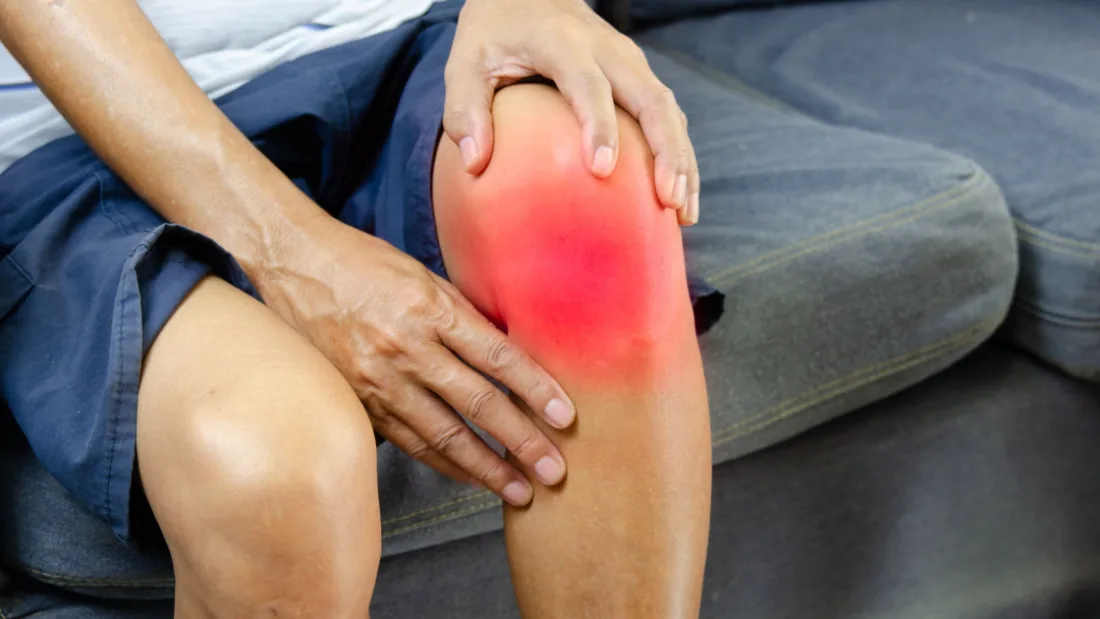
Non-Surgical Alternatives to Knee Replacement in Fort Lauderdale
A Patient Guide to Conservative and Regenerative Options at IROSM
Not every case of knee pain or arthritis requires surgery. At the Institute of Regenerative Orthopedics & Sports Medicine (IROSM) in Fort Lauderdale, Dr. Jorge Gonzalez helps patients explore non-surgical options that may help manage symptoms and support joint function before considering knee replacement.
Important Notice from IROSM: Treatment for knee pain and arthritis at IROSM is determined individually. A thorough clinical evaluation with Dr. Jorge Gonzalez in Fort Lauderdale determines which non-surgical or regenerative approach, if any, best fits your condition.
About IROSM
Lead Physician: Dr. Jorge Gonzalez, MD (triple board-certified, fellowship-trained at the Andrews Institute)
Address: 3333 West Commercial Blvd, Suite 101, Fort Lauderdale, FL 33309
Focuses on non-impact and low-impact movement programs to support and protect the knee joint:
Strengthening key supporting muscle groups: quadriceps, hamstrings, and gluteals
Improving range-of-motion and joint flexibility
Targeted balance and stability exercises
Low-impact functional movement training to help minimize joint stress
2. Weight Management
May help reduce cumulative load and mechanical stress on the knees:
Every 1 lb of body weight lost removes approximately 4 lbs of pressure per step
Low-impact cardiovascular activities
Anti-inflammatory nutritional diets
3. Injection Therapies
Targeted treatments administered directly to the knee joint at IROSM:
Corticosteroids: May provide short-term relief for acute inflammatory flares, typically lasting 6 to 12 weeks
Hyaluronic Acid: Viscosupplementation designed to help cushion and support the joint in cases of mild to moderate arthritis
Platelet-Rich Plasma (PRP): Concentrated platelets rich in growth factors that may aid tissue repair and help lower inflammation
Stem Cell & Orthobiologic Therapy: Uses the patient’s own (autologous) bone marrow or fat tissue cells to support cartilage and soft tissue repair
Lipogems (micro-fragmented fat tissue): Uses a small sample of the patient’s own fat tissue, prepared in a closed device and injected into the knee with ultrasound guidance
4. Bracing & Structural Support
External support devices to improve function:
Unloader Braces: Designed to shift physical weight away from damaged joint compartments to help relieve pain and pressure during movement and daily tasks
5. Supplements & Topicals
Nutritional and topical options that may help manage symptoms:
Topical Agents: Topical NSAIDs (such as diclofenac) to help manage localized discomfort
6. Emerging Technologies & Devices
Advanced non-invasive techniques:
Shockwave therapy that may help stimulate natural tissue healing
Laser therapies aimed at promoting cellular recovery
Assistive walking devices and structured activity modification
When Surgery May Be Necessary
While conservative and non-surgical approaches help many patients manage symptoms, surgical intervention may be worth discussing with your physician if you experience:
Severe, advanced “bone-on-bone” knee arthritis
Persistent pain occurring at rest or preventing sleep overnight
Significant impairments in basic daily mobility
Major structural deformities or severe joint instability
Non-Surgical Knee Care in Fort Lauderdale
Serving Fort Lauderdale, Pompano Beach, Plantation, and surrounding Broward County communities.
Institute of Regenerative Orthopedics & Sports Medicine (IROSM)
3333 West Commercial Blvd, Suite 101
Fort Lauderdale, FL 33309
Phone: (954) 751-6990
Frequently Asked Questions About Non-Surgical Knee Care
Can knee arthritis be treated without surgery?
Many patients explore non-surgical options first, including physical therapy, weight management, bracing, and injection therapies such as PRP or stem cell/orthobiologic treatment. A clinical evaluation at IROSM determines which approach, if any, may be appropriate for your condition.
What is the difference between corticosteroid and PRP injections for knee pain?
Corticosteroid injections may provide short-term relief for acute inflammatory flares, typically lasting 6 to 12 weeks. PRP uses the patient’s own concentrated platelets and is used with the goal of supporting tissue repair rather than only reducing inflammation. Candidacy for either option is determined individually.
How do I know if I need knee replacement surgery?
Surgery may be worth discussing if you have severe bone-on-bone arthritis, pain that disrupts sleep, major mobility limitations, or significant joint instability. Dr. Jorge Gonzalez at IROSM can evaluate your condition and discuss whether non-surgical options remain appropriate.
Does IROSM require a referral for a knee pain consultation?
It depends on your insurance. Many HMO, Medicare Advantage and Medicaid plans need a referral from your primary care doctor before you see a specialist. Please check with your plan, or call us at (954) 751-6990 before your visit to confirm.
Explore Your Non-Surgical Options at IROSM
Same-Week Appointments • Personalized Evaluation with Dr. Jorge Gonzalez
Schedule a consultation at IROSM in Fort Lauderdale to find out which non-surgical or regenerative option may be right for your knee.
Medically reviewed by:Dr. Jorge A. Gonzalez, MD Institute: Institute of Regenerative Orthopedics & Sports Medicine (IROSM)
Last reviewed: August 2026
Disclaimer: This content is for general educational purposes and does not constitute formal medical advice. Individual patient outcomes will vary. Treatment for knee pain and arthritis at IROSM in Fort Lauderdale requires a clinical examination by Dr. Jorge Gonzalez to establish candidacy. Serving Fort Lauderdale, Pompano Beach, Plantation, and surrounding Broward County communities.