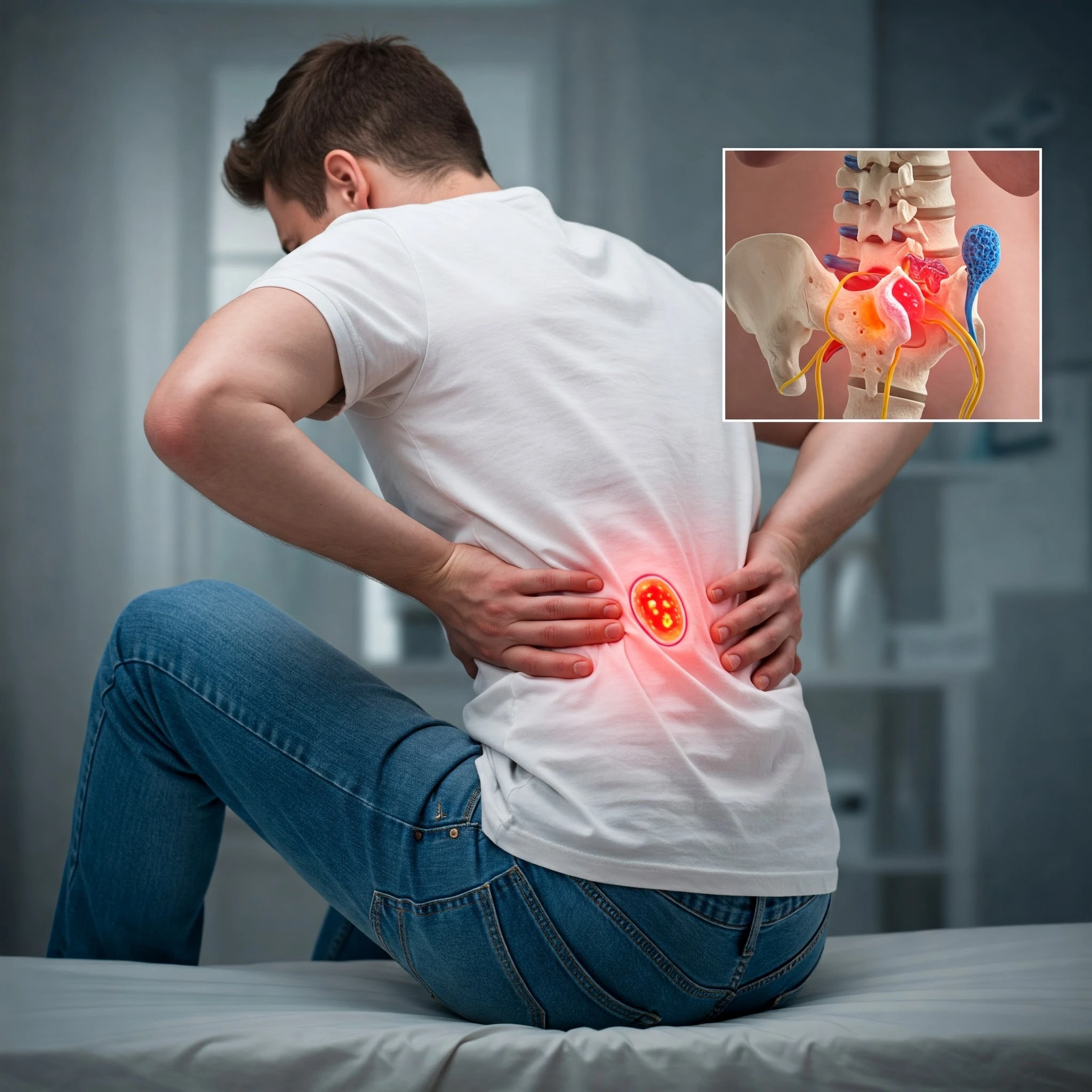
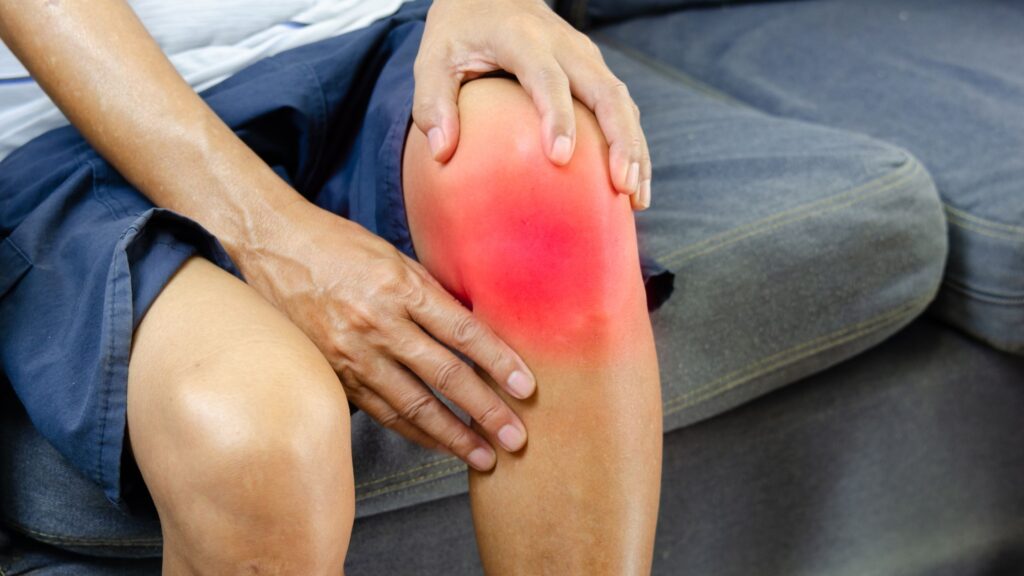
Knee pain—particularly from osteoarthritis—is one of the leading reasons adults consider knee replacement surgery. Yet for many people, surgery is not the only option, and often it’s not the first step. Advances in rehabilitation, regenerative medicine, and joint-focused therapies have created a range of effective non-surgical treatments that can reduce pain, improve mobility, and delay or even eliminate the need for knee replacement.
Below is a clear look at the most reliable non-surgical alternatives and what evidence shows about their effectiveness.
1. Physical Therapy: Building the Foundation of Joint Health
Physical therapy remains one of the most proven non-surgical strategies for managing knee arthritis. By strengthening the muscles that support the knee—particularly the quadriceps, hamstrings, and gluteals—therapy helps reduce stress on the joint and improve stability.
Most treatment plans include a combination of:
- Strength and resistance training
- Flexibility and range-of-motion exercises
- Balance and gait correction
- Low-impact functional movements
For many people, consistent therapy significantly reduces pain, improves walking tolerance, and slows the progression of osteoarthritis.
2. Weight Management: Reducing the Load on the Knee
Even modest weight loss can make a noticeable difference. Every pound lost translates into roughly four pounds less pressure on the knee with each step. For people with arthritis, this reduced stress can improve mobility and decrease inflammation.
Lifestyle adjustments may include:
- Low-impact exercise, such as cycling, swimming, or elliptical training
- Anti-inflammatory diet patterns
- Reducing repetitive high-impact activities
These changes work best when paired with other treatments.
3. Injection Therapies: Targeted Relief
Injections can provide both short-term and long-term relief depending on the type.
Corticosteroid Injections
These medications reduce inflammation and offer quick pain relief. While effective for flares, their effects are temporary—usually lasting 6 to 12 weeks—and repeated use may weaken cartilage.
Hyaluronic Acid (Gel) Injections
Also known as gel injections, these injections add lubrication to the joint, improving movement and reducing pain. They tend to work best in people with mild to moderate arthritis.
Platelet-Rich Plasma (PRP)
PRP has gained attention for its ability to promote healing and reduce inflammation using a patient’s own platelets. Many studies show better long-term results compared with steroids and even hyaluronic acid.
Regenerative Medicine and Stem Cell Therapy
Using cells from bone marrow or fat, these therapies aim to support tissue repair. While research is still evolving, many patients experience reduced pain and improved function.
4. Bracing: Mechanical Support for Better Movement
Knee braces—especially unloader braces—can decrease pressure on the part of the knee most affected by arthritis. By redistributing force and improving alignment, bracing can significantly reduce pain during walking and daily activities. This option is particularly effective for single-compartment (inner or outer knee) arthritis.
5. Supplements: Helpful for Some, Not a Cure
Supplements can play a supportive role but should not be considered stand-alone treatments.
The most commonly used options include:
- Glucosamine and chondroitin
- Turmeric/curcumin
- Omega-3 fatty acids
- Collagen peptides
While results vary, many people report improvements in stiffness and daily mobility.
6. Heat, Cold, and Topical Therapies
Simple at-home options can help manage daily discomfort:
- Heat eases stiffness and improves flexibility
- Ice reduces inflammation after activity
- Topical NSAIDs, such as diclofenac gel, offer effective pain relief with fewer systemic side effects
- Capsaicin may help reduce nerve-related pain
These approaches work best when used consistently and alongside other treatments.
7. Shockwave and Laser Therapies: Emerging Options
Newer, non-invasive technologies like shockwave therapy and cold laser therapy show promise for reducing pain and promoting tissue healing. They may be especially helpful for chronic tendon issues or early cartilage wear.
8. Activity Modification and Assistive Devices
Changing how certain activities are performed can dramatically reduce knee stress. Some simple, effective strategies include:
- Using a cane on the opposite side of the painful knee
- Choosing supportive footwear and custom orthotics
- Avoiding repetitive kneeling, squatting, and stair climbing
- Switching to soft-surface walking
These adjustments preserve energy and protect the joint.
When Surgery Becomes Necessary
While non-surgical treatments can delay the need for knee replacement, there are situations where surgery becomes the most appropriate option. These include:
- Severe bone-on-bone arthritis
- Pain that persists even at rest
- Major limitations in mobility
- Significant deformity or instability
In such cases, knee replacement often offers the best long-term outcome.
Thoughts
A wide range of non-surgical alternatives exists for people trying to avoid or delay knee replacement—and many of them work exceptionally well when combined. Physical therapy, weight management, injections, bracing, supplements, and lifestyle adjustments can dramatically improve quality of life.
The key is finding a personalized, multi-layered plan with the help of a provider who understands both conservative and surgical options. With the right approach, many patients maintain mobility and stay active without needing major surgery.