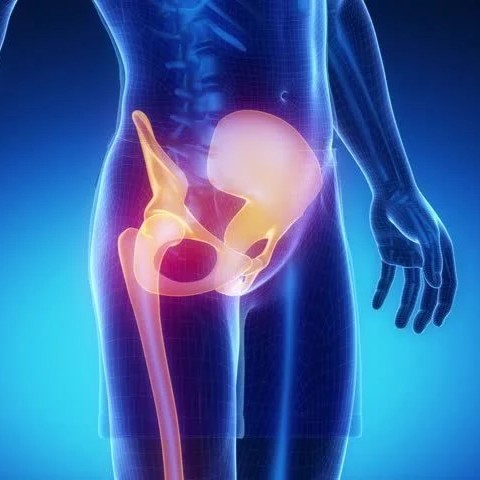
Regenerative medicine has reshaped the way we treat joint, tendon, and soft-tissue injuries. Treatments such as platelet-rich plasma (PRP), stem cell therapy, and other biologic injections rely on the body’s natural healing processes. But their success depends on one critical factor: precise delivery of the treatment.
Image-guided injections—using ultrasound or fluoroscopy—have become essential for ensuring that regenerative therapies reach the exact tissues that need healing.
Why Precision Matters in Regenerative Medicine
For regenerative treatments to work, they must be delivered directly to the injured structure. Blind injections, guided only by anatomical landmarks, often miss their target. Research shows these landmark-based injections can be inaccurate in a significant percentage of cases, especially when targeting deep or complex structures.
Image guidance increases accuracy to well over 95%, ensuring that biologic therapies reach the specific tendon, ligament, joint space, or cartilage area that requires repair.
Ultrasound Guidance: Real-Time Visualization
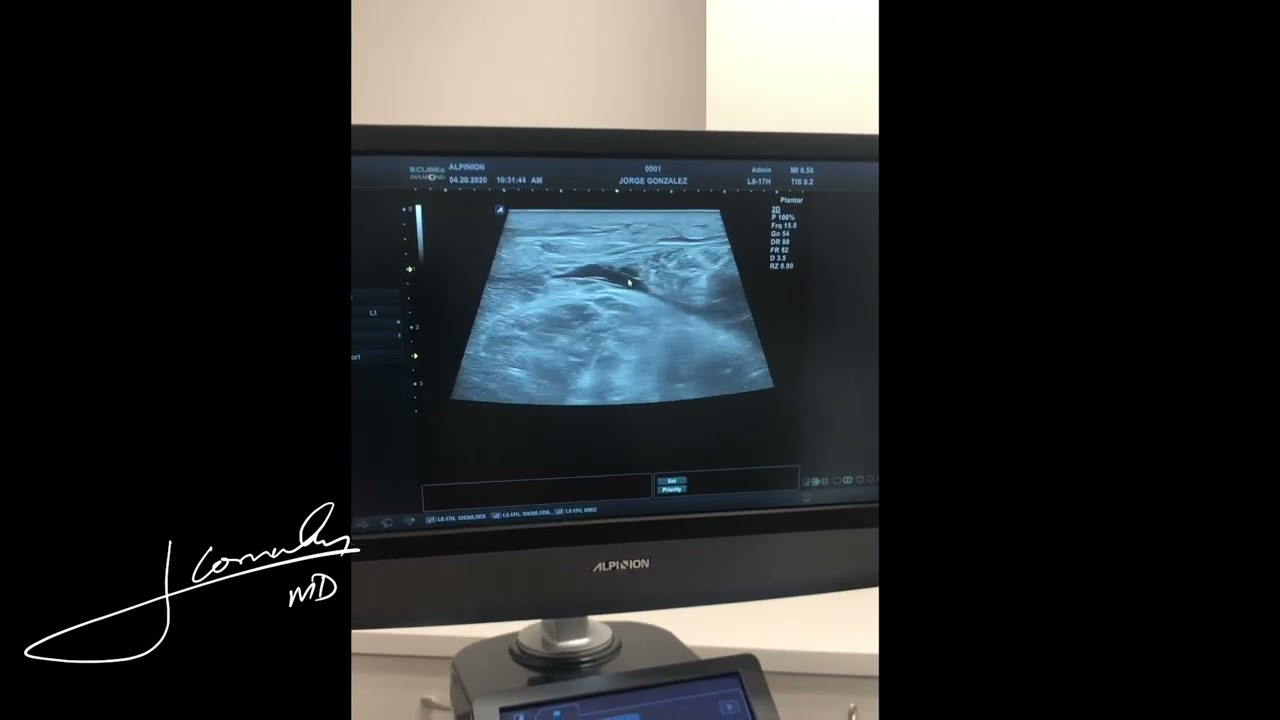
Ultrasound is the most widely used tool for guiding regenerative injections because it provides a live, real-time view of soft tissues.
It’s particularly effective for:
- Rotator cuff injuries
- Tennis elbow
- Patellar and quadriceps tendon issues
- Achilles tendon problems
- Draining fluid from a swollen knee, known as ultrasound-guided knee aspiration
- Plantar fasciitis
- Ligament sprains
By visualizing the needle as it enters the tissue, clinicians can precisely deposit PRP, stem cells, or other biologics into the exact area needing treatment. Ultrasound also avoids radiation exposure, making it safe and patient-friendly.
Fluoroscopy Guidance: Best for Deep or Complex Joints
Fluoroscopy uses low-dose X-ray imaging to guide injections, making it ideal for deep or bony structures where ultrasound is less effective. It’s commonly used for:
- Spine-related regenerative treatments
- Hip joint injections
- Sacroiliac (SI) joint procedures
- Deep intra-articular injections
Contrast dye can be used to confirm exact placement before administering the regenerative material, ensuring maximum accuracy.
Improved Outcomes Through Accuracy
Accurate targeting directly influences the effectiveness of regenerative therapies. When biologics are delivered to the correct location:
- Pain relief tends to be faster
- Healing is more efficient
- Fewer injections may be required
- Results last longer
Patients often notice significant improvements in mobility and function compared with blind injections.
Enhanced Safety and Reduced Risk
Image guidance greatly reduces the risk of complications. By visualizing the needle path, clinicians can avoid nerves, blood vessels, and other sensitive structures. This is particularly important in complex regions such as the spine, hip, or areas near major arteries.
Ultrasound also allows clinicians to assess the tissue during the procedure—identifying tears, inflammation, fluid buildup, or degenerative changes—making the treatment more personalized and accurate.
Real-Time Assessment for Personalized Treatment
One of the unique advantages of ultrasound-guided injections is the ability to evaluate the injury during the procedure. This allows for:
- Immediate diagnosis of soft tissue damage
- Real-time adjustments to treatment location
- Targeted therapy tailored to each patient’s anatomy
The result is a more effective, individualized regenerative treatment.
Conclusion
Image-guided injections are transforming regenerative medicine by ensuring precise, safe, and highly effective delivery of biologic therapies. Whether using ultrasound for soft-tissue injuries or fluoroscopy for deep joint procedures, image guidance significantly improves treatment outcomes.
As regenerative medicine continues to advance, image-guided procedures are becoming the standard of care—offering patients better results, fewer complications, and a more predictable path to healing.