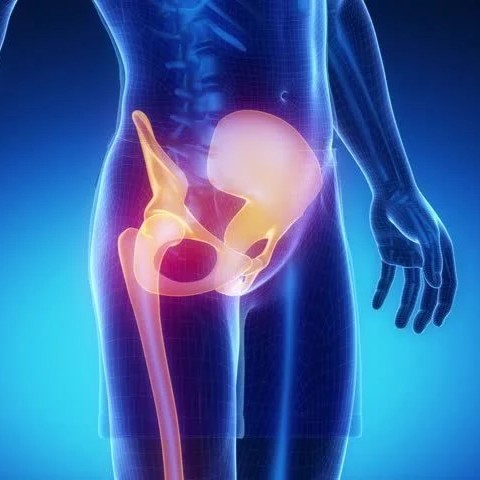
PRP vs. Stem Cell Therapy in Fort Lauderdale | Non-Surgical Orthopedics
Advances in regenerative medicine have opened new possibilities for treating orthopedic and sports-related injuries without surgery. Two of the most talked-about treatments today are Platelet-Rich Plasma (PRP) therapy and stem cell therapy.
While both aim to support healing and help reduce pain naturally, many patients are unsure which option is best for their condition. Understanding the differences between these treatments can help you make a more informed decision and feel confident about your care at the Institute of Regenerative Orthopedics & Sports Medicine (IROSM) in Fort Lauderdale.
Call Now: (954) 751-6990
What Is PRP Therapy?
Platelet-Rich Plasma (PRP) therapy uses a patient’s own blood to support the body’s healing response. A small amount of blood is drawn and processed to concentrate platelets, which are rich in growth factors. These growth factors are then injected into the injured or painful area under image guidance.
PRP therapy is commonly used to treat:
- Tendon and ligament injuries
- Mild to moderate joint pain
- Sports-related injuries
- Early-stage arthritis
Because PRP comes from your own body, the risk of adverse reactions is very low. Many patients may notice gradual improvement in pain and function over several weeks as the body’s natural healing response is supported.
What Is Stem Cell Therapy?
Stem cell therapy is centered on the body’s ability to support repair of damaged tissue. Stem cells have the ability to develop into different types of cells and support tissue repair. In orthopedic treatments, stem cells are typically sourced from a patient’s own bone marrow or other autologous biological sources.
Stem cell therapy is often considered for:
- More advanced joint degeneration
- Cartilage damage
- Chronic injuries that have not responded to other treatments
- Conditions where tissue regeneration is a treatment goal
This therapy aims not just to reduce inflammation, but also to support healing at a cellular level, though outcomes vary by patient and condition.
PRP vs. Stem Cell Therapy: Quick Comparison
Here’s a simple side-by-side look at how the two treatments generally compare. Your specific situation may differ, and this is not a substitute for a clinical evaluation.
| Factor | PRP Therapy | Stem Cell Therapy |
|---|---|---|
| Source | Your own blood (platelets) | Your own bone marrow or other autologous tissue |
| Commonly Considered For | Mild to moderate tendon, ligament, and joint issues | More advanced joint degeneration or cartilage damage |
| Procedure Complexity | Simpler in-office blood draw and injection | More involved collection and lab processing |
| Typical Use in Treatment Plans | Often considered first for milder conditions | Often considered when PRP or conservative care hasn’t been enough |
Curious about cost? See our guide to stem cell injection cost in Fort Lauderdale.
Key Differences Between PRP and Stem Cell Therapy
While both treatments are regenerative, they work in different ways:
Platelet-Rich Plasma (PRP)
PRP is intended to support the body’s natural healing response through concentrated growth factors, and is commonly considered for inflammation and soft tissue injuries such as mild to moderate tendinitis or early joint wear.
Stem Cell Therapy
Stem cell therapy is aimed at supporting tissue repair and cellular regeneration, which can be considered for more complex or advanced structural conditions, more significant joint wear, or cartilage degeneration.
Stem cell therapy typically involves a more detailed evaluation process and may be recommended when PRP or other conservative treatments have not been sufficient.
Which Treatment Is Right for You?
Choosing between PRP and stem cell therapy depends on several clinical and personal factors, including:
Key Decision Factors:
- The severity and progression of your condition
- Your overall health, lifestyle, and activity level
- Previous conservative treatments or injections you may have tried
- Your long-term functional recovery goals
For mild to moderate injuries, PRP may provide relief with minimal downtime. For more advanced joint issues or chronic pain, stem cell therapy may offer a broader regenerative approach worth discussing with a specialist.
A personalized evaluation by a regenerative medicine specialist, such as Dr. Jorge A. Gonzalez at IROSM in Fort Lauderdale, is the best way to determine which treatment aligns with your needs.
What to Expect During Recovery
Both PRP and stem cell therapies are minimally invasive and typically performed as outpatient procedures at IROSM in Fort Lauderdale.
Recovery times vary depending on the condition being treated and the specific therapy used, but most patients can return to light daily activities within a short period. Improvement is often gradual, since these therapies work with the body’s natural healing process rather than masking symptoms immediately.
Final Thoughts
PRP and stem cell therapies represent notable developments in non-surgical orthopedic care. While both may offer meaningful benefits, the right choice depends on your individual condition and treatment goals. Understanding the differences between these therapies can help you make informed decisions about your health and recovery.
If you’re considering regenerative treatment options in Fort Lauderdale, consulting with an experienced specialist can help you explore your options and work toward improved mobility, with results varying by patient.
Regenerative Orthopedics in Fort Lauderdale
Serving Fort Lauderdale, Pompano Beach, Plantation, and surrounding Broward County communities.
Institute of Regenerative Orthopedics & Sports Medicine
3333 West Commercial Blvd, Suite 101
Fort Lauderdale, FL 33309
Phone: (954) 751-6990
Frequently Asked Questions
What is the main difference between PRP and stem cell therapy?
What is the main difference between PRP and stem cell therapy?
Which treatment works faster, PRP or stem cell therapy?
Which treatment works faster, PRP or stem cell therapy?
Can I try PRP first before considering stem cell therapy?
Can I try PRP first before considering stem cell therapy?
Are PRP and stem cell injections painful?
Are PRP and stem cell injections painful?
Find the Right Regenerative Treatment
Board-Certified Sports Medicine Physician • Direct Specialist Consultation
Schedule a comprehensive consultation with Dr. Jorge A. Gonzalez to determine whether PRP or stem cell therapy is best for your condition.
Call Now: (954) 751-6990
Institute: Institute of Regenerative Orthopedics & Sports Medicine
Last reviewed: August 2026
Disclaimer: This content is for general educational purposes and does not constitute formal medical advice. Individual patient outcomes will vary. Regenerative treatment at IROSM in Fort Lauderdale requires a clinical examination by Dr. Jorge Gonzalez to establish candidacy. Serving Fort Lauderdale, Pompano Beach, Plantation, and surrounding Broward County communities.